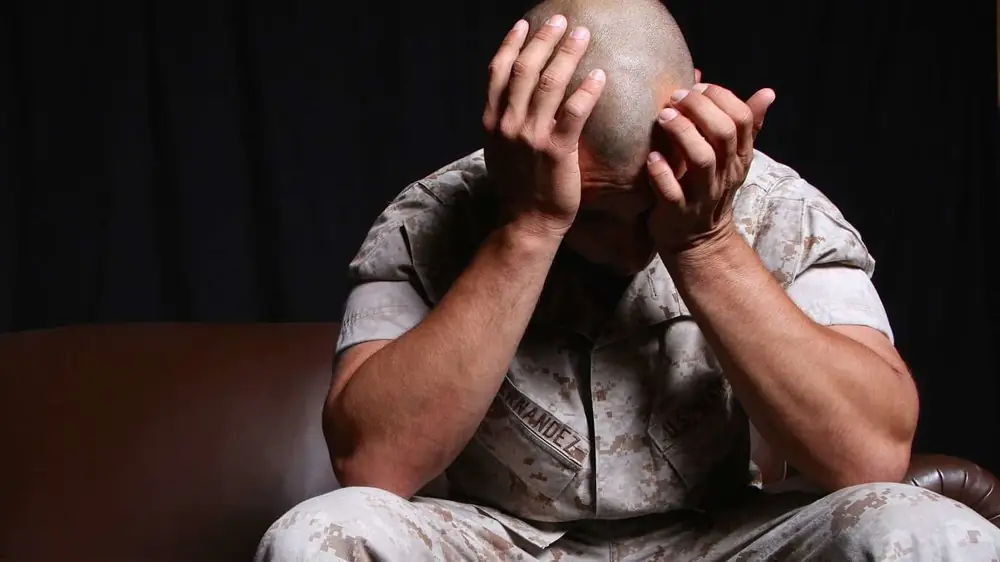
Post-traumatic stress disorder is a mental health problem which a number of veterans and other people alike are experiencing after witnessing a life-threatening event such as combat, natural disasters, car accidents or intimate assault. It is quite normal for people who are suffering from PTSD to have memories, which will upset them and although treatment for the condition is definitely available, the incumbent will have to open his or her mind when seeking a remedy for PTSD.
People who are suffering from PTSD may initially find it hard to complete regular everyday activities like going to work, school or spending time with people that really care about. Many people begin to feel normal after a few weeks or months. An individual can be confirmed as suffering from PTSD only after he or she were having the symptoms of this condition in excess of a few months.
The Factors That Can Affect People Who Develop PTSD
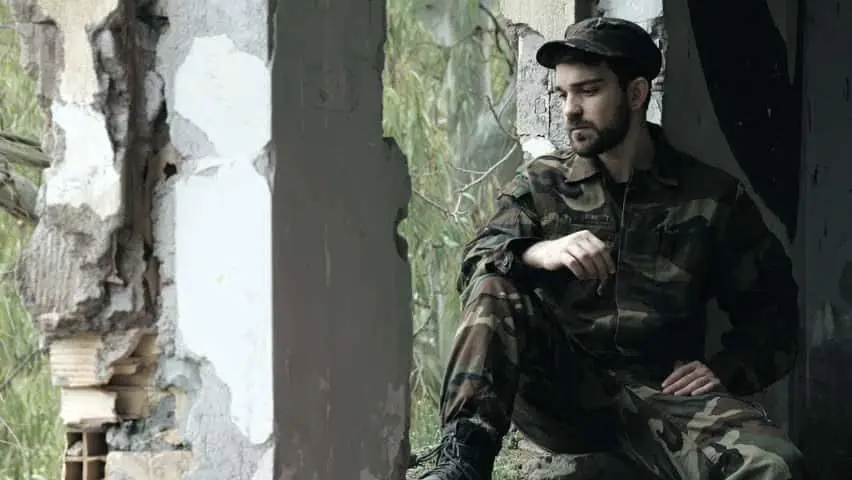
Almost every individual is susceptible to develop PTSD. It cannot be considered as a weakness because a number of factors can enhance the chances of people developing the condition. Most of the factors mentioned are not within the control of the individual. For instance, being exposed to a long-lasting traumatic event which may have caused injuries can make the individual susceptible to PTSD. Certain types of trauma like war or assault can also give rise to the condition, and it is perhaps the reason why a number of veterans are suffering from this problem. The chances of PTSD developing are exasperated by the stress which the individual could be feeling.
What Are The Symptoms Of PTSD?
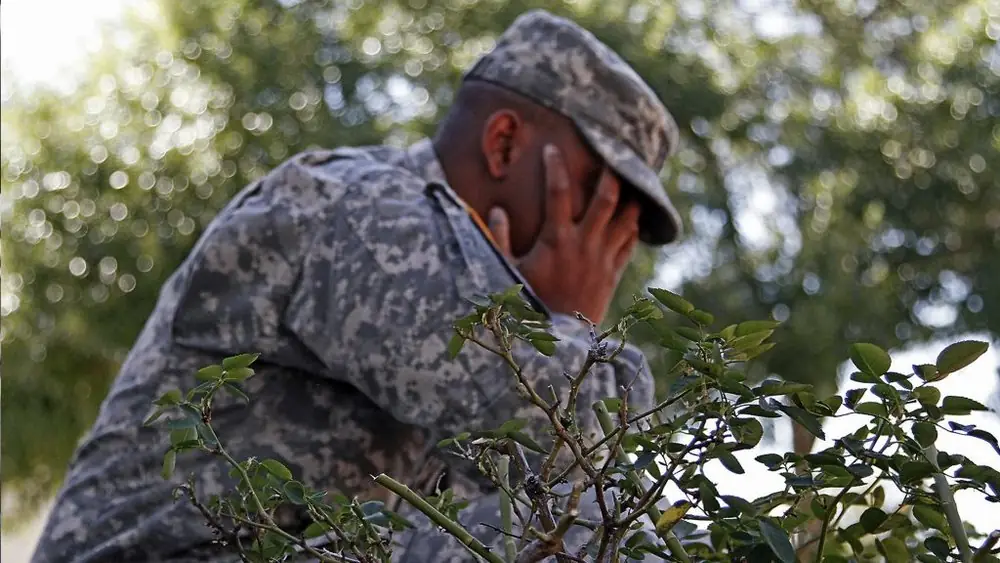
The Symptoms of PTSD can generally begin immediately after the traumatic event but the possibilities of the symptoms appearing after months or years later cannot be discounted. PTSD symptoms can come and go over a number of years. There are four types of symptoms, which will indicate the presence of PTSD within an individual. However, they may not be the identical for every individual, and each person can experience different symptoms.
The symptoms can be classified as mentioned below:
People suffering from the condition of PTSD may have bad memories or nightmares and could feel they are going through the same event again like having flashbacks in their lives.
People may be looking forward to avoiding situations, which can trigger the memories of the traumatic event or also stop talking or thinking of the event.
They could begin thinking differently about themselves along with their companions because of the trauma they had gone through. They may begin feeling guilty or shame and may not be interested in the activities they were enjoying earlier. The feeling that the world is a dangerous place, and trust should not be placed in anyone could also be a problem with PTSD sufferers. They might have a feeling of being numb or find it difficult to get the feeling of happiness.
They could be alert and jittery while being on the lookout for danger constantly. They may have difficulties with sleeping or become angry, startle easily or adopt methods, which are unhealthy like smoking, consuming alcohol or using drugs and driving recklessly.
Children can also develop conditions of PTSD, and the symptoms are similar to those described above and will be dependent upon their age. As teenagers, they will begin displaying signs of depression, anxiety, withdrawal and reckless behavior, which can include substance abuse.
Veterans who may have served in combat zones are likely to have problems related to alcohol and drug abuse, problems with employment, relationship problems , and feelings of hopelessness shame and despair.
What Are The Treatments Available For PTSD?
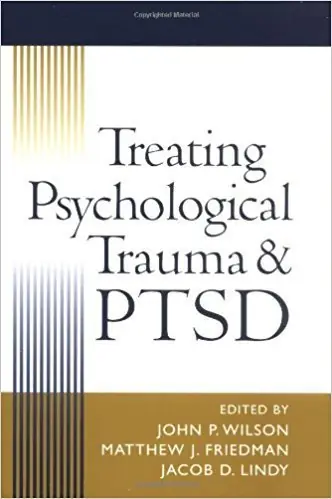
Counseling and medication are the two forms of treatments, which are available for PTSD. Counseling or psychotherapy as it is also referred to which requires the individual suffering from the condition to meet a therapist who could decide to utilize different types of psychotherapy. Cognitive-behavioral therapy is acknowledged as the most effective treatment for PTSD. However, people are required to open their minds to the type of treatment, which is offered to them. They may have to learn the skills in order to understand how the trauma changed their thoughts and feelings or may even be required to talk about the trauma until the memories no longer upset them.
They could also be required to take some medications if the condition they are suffering from has advanced. Medications such as prazosin have been found helpful in reducing the nightmares related to the trauma. Benzodiazepines and atypical antipsychotics are generally avoided during the treatment of PTSD because they are not effective in dealing with the core symptoms of PTSD and also have the potential to be addictive.
Individuals who have been confirmed as having a problem with PTSD must give in to the treatment wholeheartedly particularly if they are looking forward to getting over the problems they are facing.