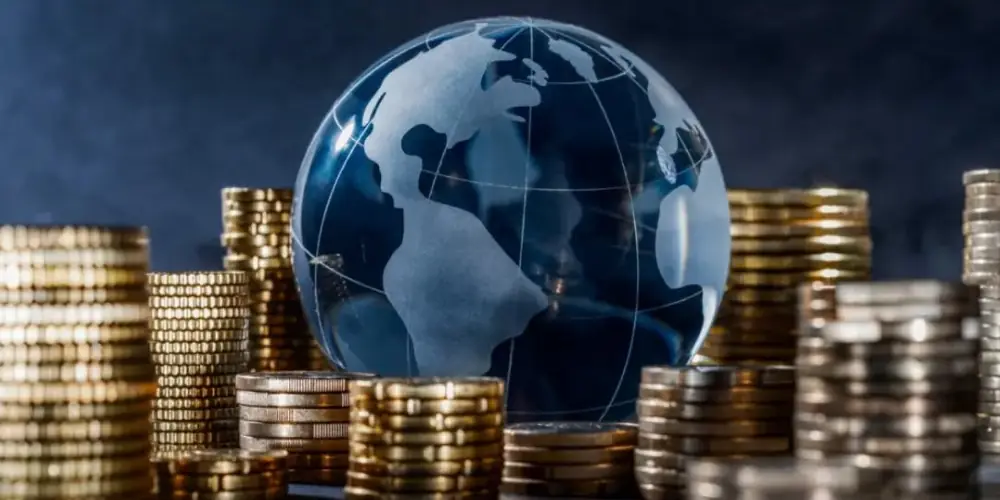
As 2025 approaches, the global economy stands at a pivotal crossroads. The years following the COVID-19 pandemic offered a glimpse of recovery, but the path forward is far from certain. In 2024, many central banks began to ease interest rates, having successfully tamed inflation without triggering a recession. Stocks reached impressive heights in the U.S. and Europe, marking a banner year for the wealthy.
Yet, while financial markets were rallying, the everyday realities for ordinary citizens told a different story. Inflation, skyrocketing living costs, and economic dissatisfaction led to significant political shifts around the world. Looking ahead, the global economy in 2025 faces a series of risks that could derail progress, creating a landscape of uncertainty that is hard to predict.
Economic Pressures and Political Backlash
The tension between soaring corporate profits and public frustration is palpable. As inflation rates crept up in the wake of the pandemic, many voters turned against incumbents in 2024 elections, holding them responsible for the rising cost of living. In countries from the United States to India and South Africa, citizens voiced their discontent through the ballot box, demanding change. Governments now find themselves caught between the need to address inflation, manage debt, and meet the growing expectations of their populations.
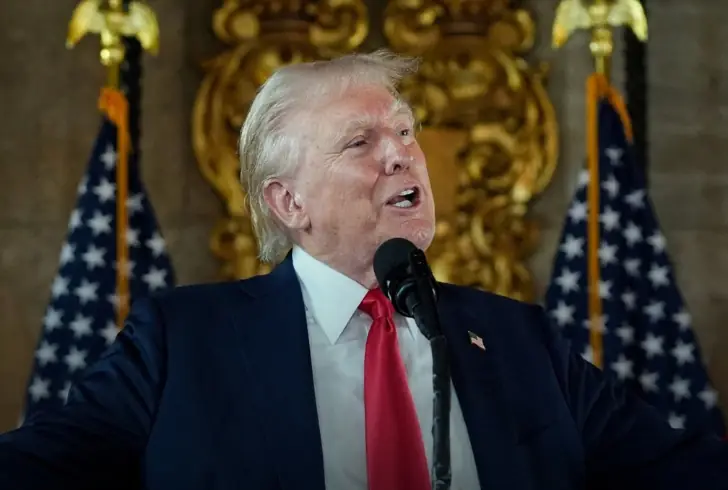
One major factor contributing to the global economy in 2025 is the rising risk of trade wars, particularly from the U.S. With former President Donald Trump signaling the possibility of heavy tariffs on imports, the potential for a trade conflict looms large. A tariff increase could stoke inflation and slow global growth, causing a ripple effect that impacts everything from employment rates to international trade relations.
Key Economic Factors to Watch
Several key issues are expected to shape the global economy in 2025, and understanding these risks is essential for predicting the year ahead. These include:
1. Tariffs and Trade Wars
If the U.S. moves forward with imposing tariffs of 10-20% on imports, and 60% on Chinese goods, this could trigger retaliatory measures from other countries. The repercussions of such policies would not be confined to the U.S. alone but could affect global trade and economic stability.
2. Geopolitical Tensions
The ongoing conflicts in Ukraine and the Middle East remain major concerns for the global economy. Disruptions to energy supplies and geopolitical instability can cause volatility in commodity prices and affect global economic health.
3. China’s Economic Transition
As the second-largest economy in the world, China faces its own set of challenges. With its growth rate slowing, there is growing pressure for China to shift its economic model. The country needs to move away from its heavy reliance on manufacturing and put more focus on increasing domestic consumption and improving living standards for low-income citizens.
4. Political Deadlocks in Europe
Europe’s economic future is closely tied to the political stability of its largest economies, Germany and France. Ongoing political gridlock in these nations could further hamper economic growth, especially as Europe struggles to close the economic gap with the U.S.
5. Impact of a Stronger Dollar
A potential rise in the value of the U.S. dollar could have global ramifications. For countries with significant debt denominated in dollars, repayment costs could soar. Additionally, a stronger dollar could divert investment away from other regions, weakening their economic prospects.
Challenges for Developing Economies
While the global economy in 2025 poses significant challenges for developed nations, the situation is even more dire for poorer countries. According to the World Bank, the poorest nations are in their worst economic state in two decades, having missed out on the post-pandemic recovery. These countries face not only economic stagnation but also weakened trade relationships and limited access to financial resources.
With many of these nations already struggling to meet basic development goals, new headwinds such as higher interest rates, reduced trade, and political instability could deepen the economic divide. The global community must be mindful of the impact that further economic shocks will have on these vulnerable regions, as their recovery is critical to global stability.
A Time of Uncertainty
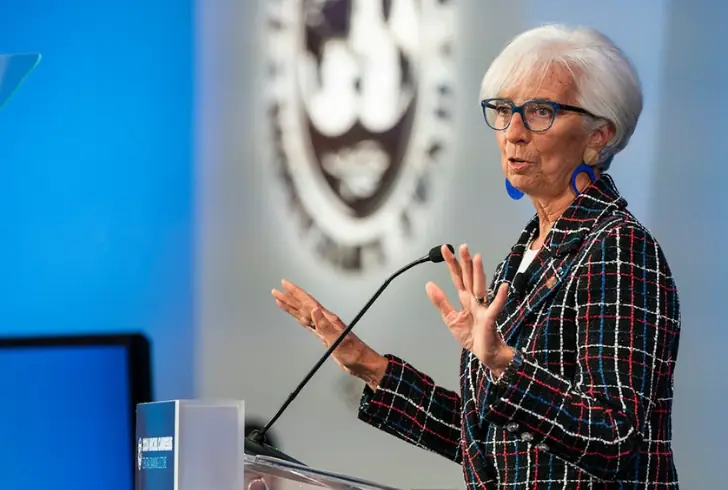
Christine Lagarde, President of the European Central Bank, recently stated that 2025 will be marked by “abundant uncertainty.” This sentiment captures the global economic outlook perfectly. No one can predict with certainty what the year will hold, but the convergence of several major risks – from political instability to trade wars and climate change – makes for a volatile mix.
The IMF’s latest World Economic Outlook also echoes this sense of unpredictability. Policymakers and financial markets must brace for uncertain times ahead, where even minor shifts in global conditions could have far-reaching consequences.
Preparing for the Unexpected
As we approach 2025, the global economy is standing on shaky ground. The interconnectedness of world economies means that events in one region can have profound effects elsewhere. Trade wars, geopolitical conflicts, and internal political struggles all present serious risks to global growth. While some regions are better equipped to weather these challenges, the economic fallout could be widespread. Governments, businesses, and individuals alike must prepare for a period of uncertainty and potential volatility.
The key to navigating the global economy in 2025 will be adaptability. Flexibility in policies, innovative approaches to economic recovery, and global cooperation will be essential to mitigating risks and ensuring a stable future. However, only time will tell if the global economy can successfully overcome the challenges that lie ahead.