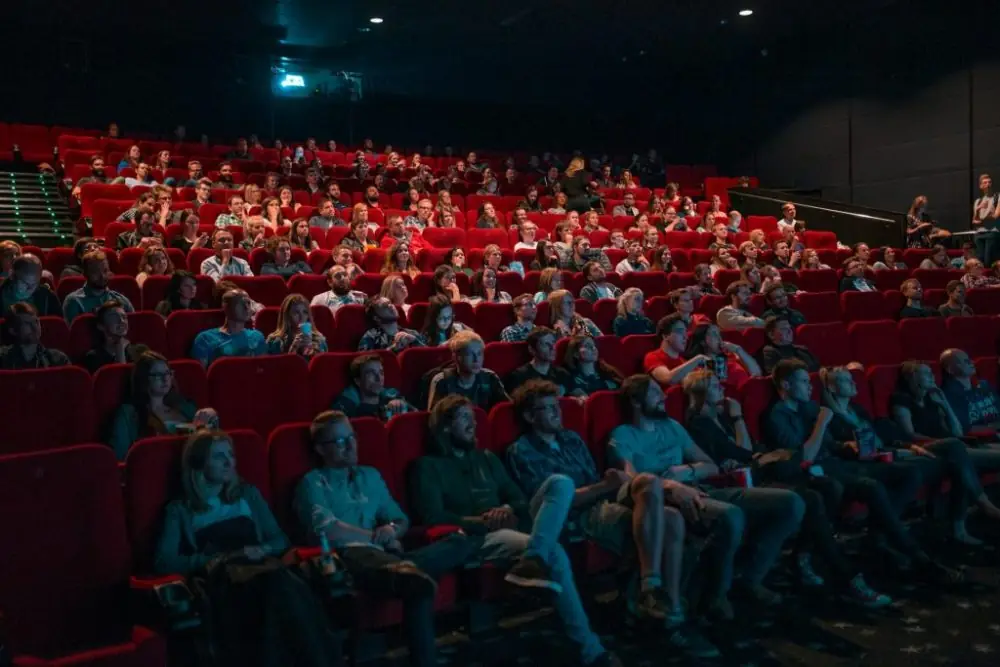
Community theatres aren’t just putting on plays. They are doing something much bigger. In a world full of division and noise, these small, scrappy stages are creating real moments of connection. People show up, not just to perform or watch, but to feel something together. And in today’s world, that matters more than ever.
You have got neighbors from opposite sides of town, opposite ends of the political spectrum, and totally different life stories, all working together on a single goal.
Here is how community theatres are making it happen:
Community Theatres Create True Face-to-Face Connection
In community theatres, people meet in person. Sounds simple, but that is rare now. You can’t mute someone on stage. You can’t scroll past a lighting tech or a costume designer. You have to listen, work together, and make something real.
People bond during late-night rehearsals and shared panic over missed cues. That energy builds relationships that last long after the curtain closes.
Building Bridges Between Totally Different People
One of the best parts of community theatres is how they mix people. Retired engineers, high school kids, baristas, doctors, and artists all show up to build a show. And none of them can pull it off alone. It takes every actor, every techie, every volunteer.
That kind of teamwork breaks barriers. When you are crawling around on the floor painting sets with someone who lives a totally different life than you, politics and background stop mattering so much.
Theatre Forces Us to Step Into Someone Else’s Shoes
Acting is basically structured empathy. You have to see the world through someone else’s eyes. You learn their pain, their joy, their story. You become them for a little while. And that changes you.
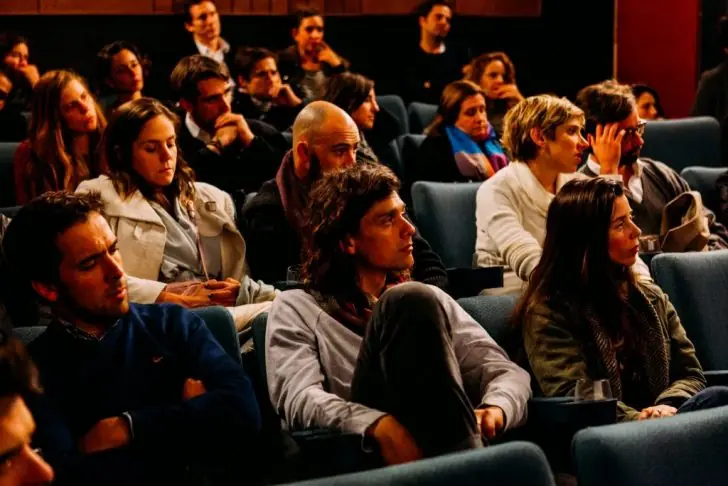
When the lights go down and the story begins, everyone is watching the same thing. They laugh together. They gasp together. They feel together. That shared experience cuts through everything else. It reminds people what it feels like to care.
A Break From Screens and Algorithms
Most of us spend our days glued to screens, fed constant content based on what an algorithm thinks we want. That gets lonely fast. There is no shared experience, no human messiness, no surprise.
It is a real-time connection, and it is becoming rare.
Addressing Complex Issues
When it is done right, theatre doesn’t avoid big issues. It tackles them head-on. Racism, poverty, identity, mental health – these aren’t topics you can easily bring up in casual conversation. But when they are on stage, played out in front of you, it opens a door.
Community theatres can make space for these stories. They can tell the truths people are scared to say out loud. And when audiences see themselves or their neighbors in those stories, it starts conversations that might never happen otherwise. That is a real impact.